Main Goal
To equip participants with a solid, practice-oriented understanding of how buildings perform thermally and environmentally, and the ability to design climate-responsive, energy-efficient, and sustainable building envelopes that minimise operational CO₂ emissions while maximising occupant comfort.
Main Skills Acquired
- Design high-performance, energy-efficient buildings integrating renewable energy sources: photovoltaic, solar thermal, geothermal, biomass, cogeneration, wind, and energy storage
- Assess the technical, economic, and environmental relevance of different energy solutions based on site, and interpret case studies to identify performance constraints and cost implications
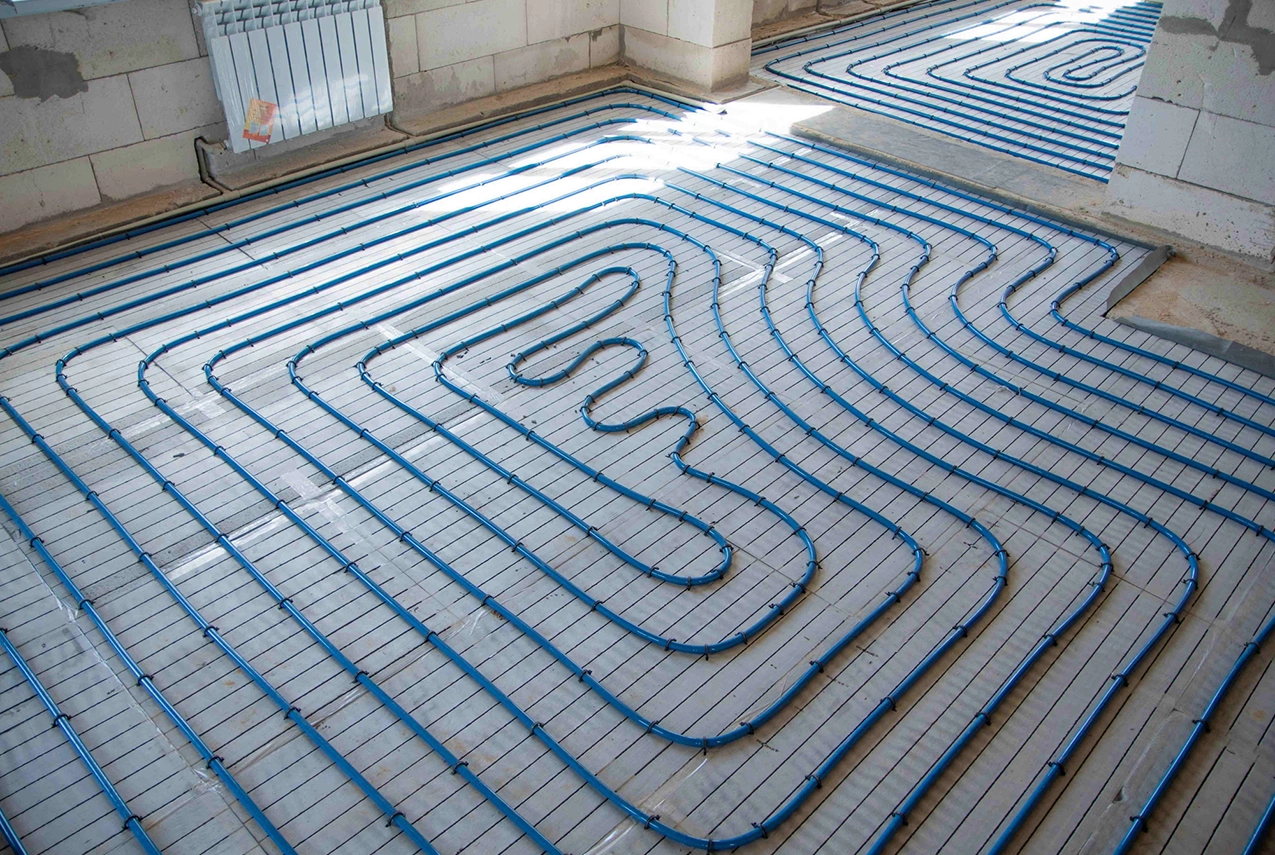
- Optimise heating, cooling, ventilation, and domestic hot water systems, including recovery of energy from greywater and exhaust air
- Apply best practices in natural and artificial lighting design to ensure visual comfort, regulatory compliance, and efficiency
- Enhance the passive energy performance of building envelopes through insulation, airtightness, thermal mass, and orientation
- Integrate smart building systems (BMS, monitoring, sensors, automation) and conduct Post-Occupancy Evaluation (POE)
Main Topics
- Energy performance targets & building energy balance
- Renewable energy systems & energy mix at building scale
- Energy audit & performance diagnosis of existing buildings
- Heating, cooling & domestic hot water systems
- Ventilation systems & hybrid strategies
- Lighting design & visual comfort
- Passive building envelope optimisation
- Smart building systems & performance monitoring
- Post-Occupancy Evaluation & continuous improvement